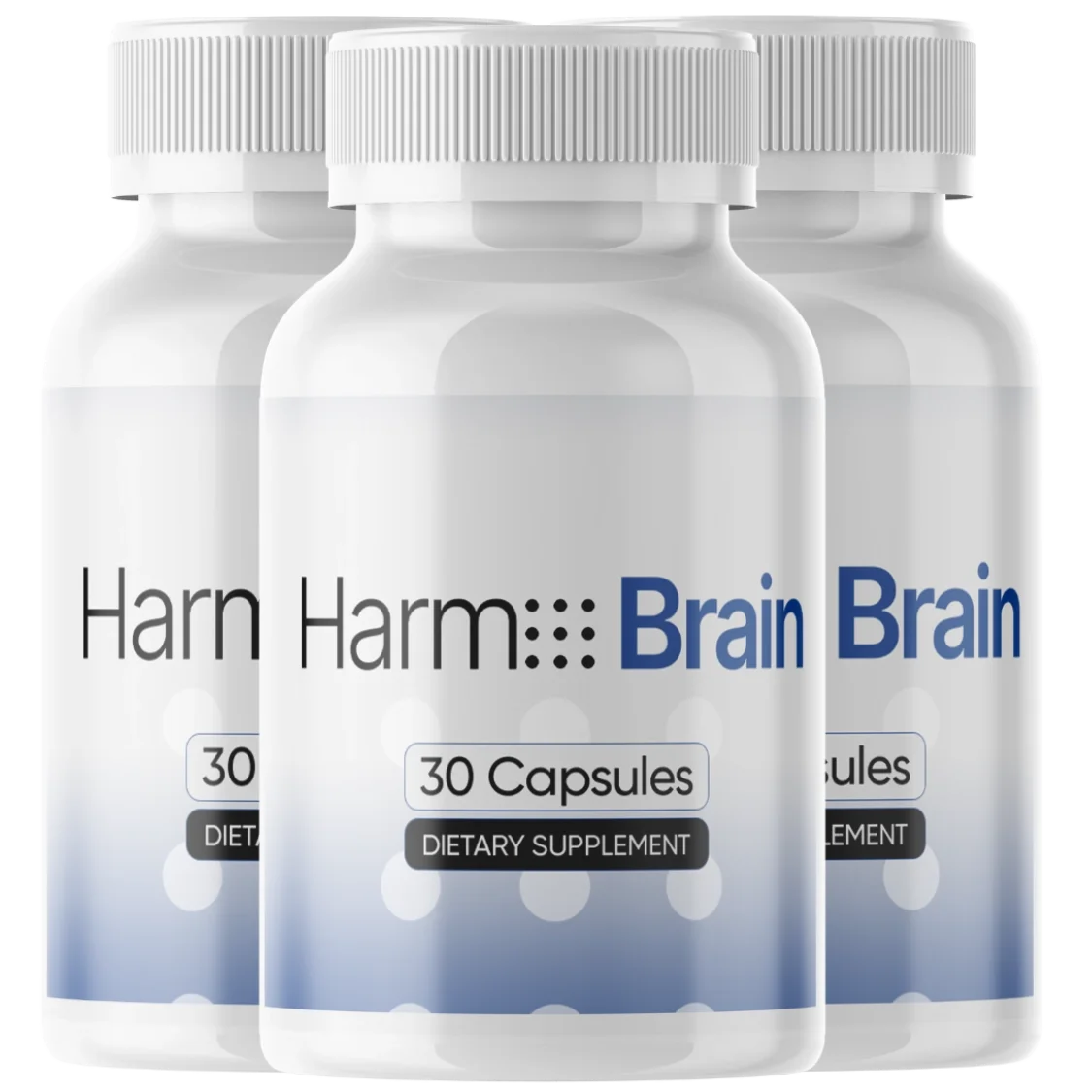
Harmo Brain Reference Guides: How To Read And Choose A Focus Supplement
Two long guides, written from published research and federal labelling rules rather than from any sales page. The focus supplement guide explains how to read a label like Harmo Brain’s, line by line. The choosing guide is a ten-question checklist for any focus capsule, with Harmo Brain scored against the same ten questions, weak points included.
Below: both guides, what each covers, the five blog articles and where else to look.
Free to read, and neither one asks you to buy anything. Both work on any focus supplement label, not only this one.
The two reference guides
Each one stands alone. Read them in order if you are new to supplement labels.
The focus supplement guide
How to read a focus supplement label in four passes: the Supplement Facts panel, the proprietary blend, the form of each ingredient, and the caution. Every step is worked through on the Harmo Brain label, then set against what published research used.
Choosing a focus supplement
Ten questions to ask any bottle on this shelf, in the order worth asking them, with red flags and a comparison of three kinds of label. Harmo Brain is scored on the same ten questions, weak points included.
What each guide covers, side by side
Eight topics, and which guide handles each.
| Topic | Focus supplement guide | Choosing guide |
|---|---|---|
| The Supplement Facts panel | Line by line, with the federal rule | One question |
| Proprietary blends | How to read one, with the arithmetic | Where the dose sits |
| Ingredient forms | Which form the research used | One question |
| Evidence strength | Animal, diagnosed, healthy-adult and review evidence | What research used |
| Medicines | The interaction table, by ingredient | Which medicines matter |
| Pack length and guarantee | Not covered | Matching the pack to the trial |
| Artwork claims | Not covered | Separating artwork words from the label |
| A scorecard for Harmo Brain | Not covered | All ten questions, scored |
Which guide to start with
Three kinds of reader, three starting points.
A first-time buyer
Start with the focus supplement guide. It explains every line of a label before any product is judged.
Someone on regular medicine
Read pass four of the focus guide, then the medicine question in the choosing guide, before anything else.
Someone comparing labels
Go straight to the choosing guide. Its ten questions work on any bottle, not only on Harmo Brain.
Using the guides with a bottle in hand
Four steps, the same for any label.
Hold the bottle
Or open the Supplement Facts page. Every step in the guides starts from the printed panel.
Read in four passes
Panel, blend, forms, caution: the order the focus supplement guide follows.
Ask the ten questions
The choosing guide turns the reading into a decision, and flags anything missing.
Check your medicines
Last, and most important if you take any: the interaction table, ingredient by ingredient.
The reference library in four numbers
Everything on this page, counted.
Ten terms the guides use, defined
The vocabulary of a supplement label, in one place.
- Supplement Facts panel
- The regulated box on a supplement label: serving size, servings, each declared amount and any blend.
- Daily Value
- A labelling reference. Magnesium’s is 420 mg, so 80 mg is 19%.
- Proprietary blend
- Several ingredients declared by one total weight. Those with no Daily Value are listed heaviest first.
- Other ingredients
- The capsule shell, fillers and flow agents, listed below the panel.
- Structure/function claim
- A statement about supporting normal function, such as focus. Not a disease claim.
- Allowance (RDA)
- The daily intake that covers nearly all healthy people. For adult magnesium, 310 to 420 mg from all sources.
- Upper limit
- The most that is unlikely to cause harm. For magnesium from supplements, 350 mg a day.
- Form
- The chemical version of an ingredient, such as L-carnitine against acetyl-L-carnitine.
- Diagnosed population
- People in a trial who already had a condition, whose results do not carry over to healthy readers.
- Lot number
- The production run a bottle belongs to. A filing reference, not a test result.
Five longer articles on this label
Each article takes one question the label raises and follows it through the research.
What a 575 mg Blend Can Hold When 80 mg of It Is Magnesium
Magnesium glycinate is 14.1% magnesium. What that means for the other five materials in the blend.
Magnesium Glycinate at 80 mg: What the Dose Is, and What It Is Not
What 80 mg is against the Daily Value, the adult allowance and the upper limit for supplements.
L-Carnitine or Acetyl-L-Carnitine: Why the Form on the Label Matters
The label names one form; the memory research used another. Why the difference matters.
Harmo Brain and Your Medicines: Six Ingredients, Six Questions
Six ingredients, six questions to take to a prescriber before the first capsule.
Butcher's Broom in a Brain Capsule: What a Circulation Herb Is Doing Here
Butcher’s broom has its trials in leg veins. What it is doing in a focus formula.
Three rules every guide follows
The same three rules run through every page on this website.
The label first
Amounts come from the printed panel and nowhere else. The artwork and the advertising are quoted as what they are.
Research in its own column
What a study used is never written as if it were in the capsule. The two sit side by side and stay apart.
The population named
A trial in people with a diagnosis, or in animals, is cited with that fact in the same sentence.
Where else this website goes into detail
The product pages that sit alongside the guides.
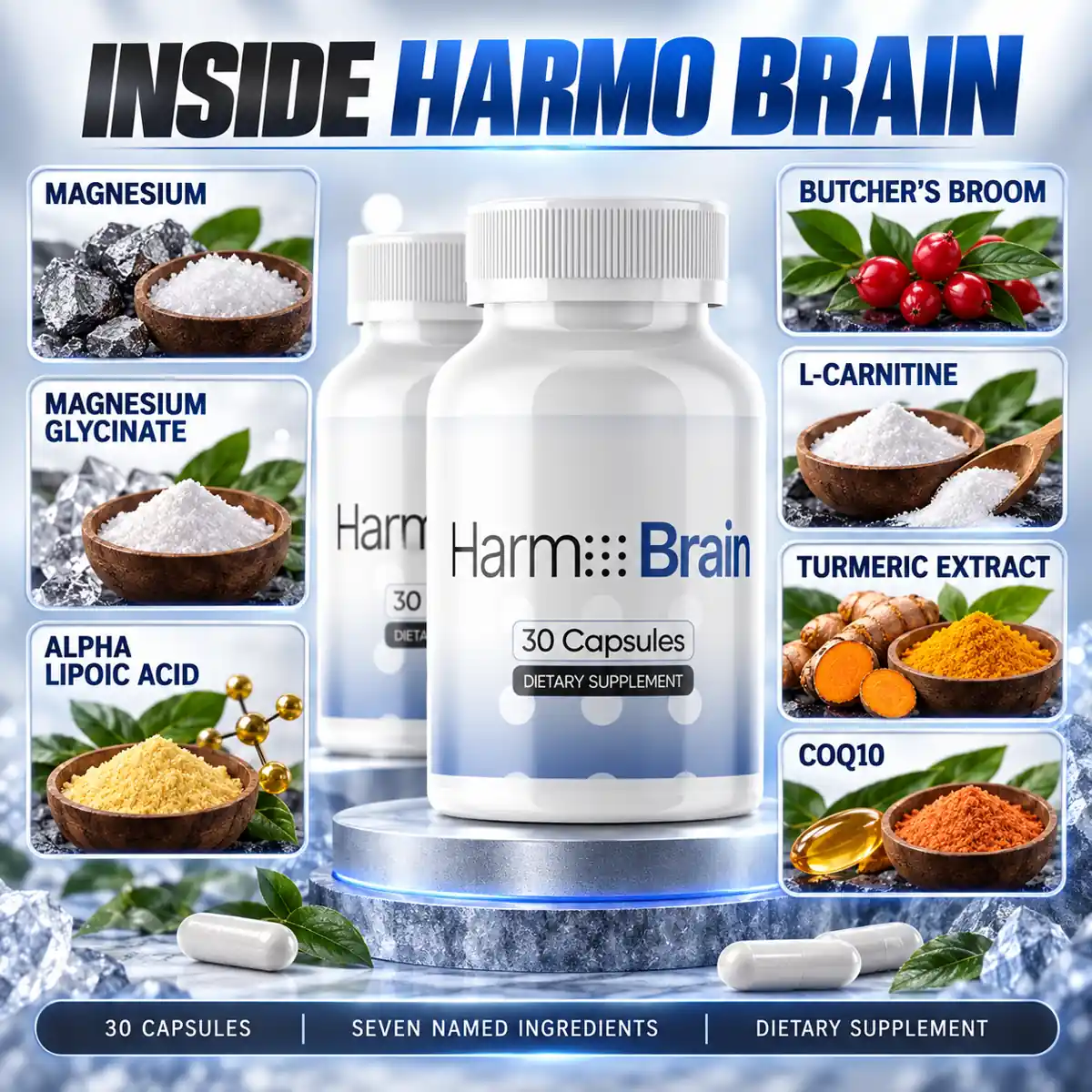
Pages that go into detail
- Supplement Facts: the panel line by line, with the blend in label order.
- Ingredients: all six materials, with what published studies used in a column of their own.
- Side effects and safety: each caution and each medicine, with its source.
- Results timeline: week one, weeks three to six and day 60.
- Testing and quality: the nine marks on the artwork and what each can prove.
Written the same way
Each of these pages keeps the label’s amounts and the research amounts in separate columns, and names the population behind every study it cites.
Questions about the guides
Do the guides only apply to Harmo Brain?
No. Both are written for any focus supplement label. Harmo Brain is used as the worked example because its label is the one this desk can photograph and quote.
Where do the facts in the guides come from?
The federal labelling rule, NIH and NCCIH fact sheets, and PubMed records, each linked where it is used.
Do the guides recommend a dose?
No. They report what published studies used, in a column of their own, and what the label prints. The label’s own direction, one capsule daily, is the only dose this website repeats.
Why is the blog separate from the guides?
The guides cover a whole label; each blog article follows one line of it, such as the magnesium figure or the carnitine form, further into the research.
Do I need to read both guides?
No. The focus supplement guide explains a label; the choosing guide turns that into a decision. Someone who already reads labels can start with the ten questions.
How often are the guides reviewed?
Whenever a source changes or a correction arrives. The last full review was on 22 September 2026.
Who writes these guides
Four commitments a careful reader can check in ten minutes:
- The bottle is the source. The ingredient names, the two printed amounts, the capsule count, the directions and the caution come from the Harmo Brain label and the supplier’s artwork, read on 22 September 2026.
- Research amounts live in a column of their own, headed “What studies used”, beside the column that says what the label prints. No sentence moves a number from one to the other.
- Sources are cited against their own population. Where a trial was run in people with a diagnosis, the sentence says so.
- Corrections change the date. Write to [email protected] and the review date moves forward.
We earn when you buy. Harmobraines is the USA Authorized Harmo Brain Retailer and this website makes money on orders placed through it. That is why the blend arithmetic, the four-star reviews and the medicine list are printed here in full. Order support on +1 (302) 200-3480 handles tracking, changes and refunds; orders go through the checkout only.
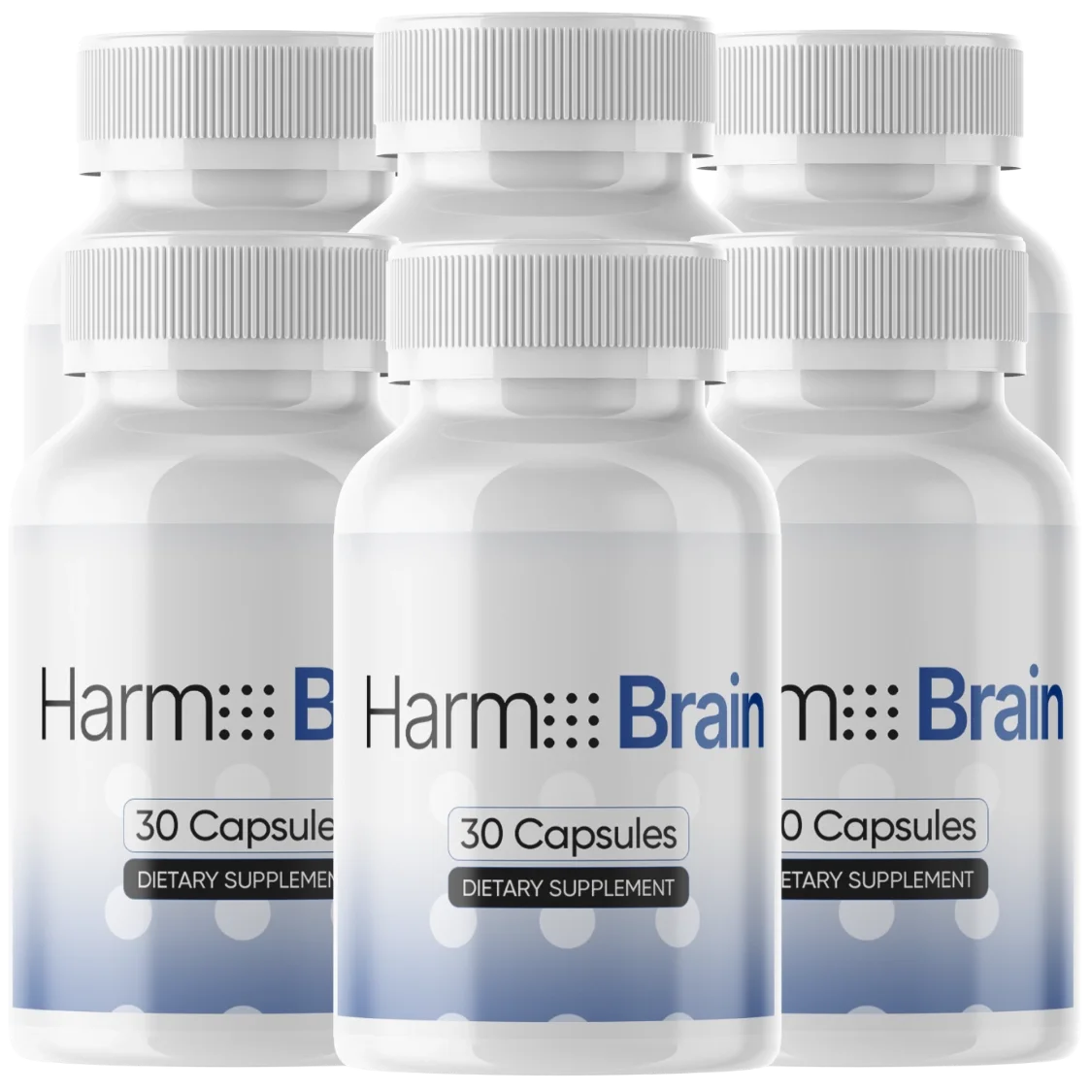
Order Harmo Brain on the official website
One capsule a day, 30 to a bottle: 80 mg of magnesium as glycinate inside a 575 mg blend of six named materials. Packs of 2, 3 or 6 are priced at checkout, with 60 days from purchase to change your mind.
Packs of 2, 3 or 6 bottles, priced at checkout · 60 days from purchase to change your mind
One capsule a day · 30 per bottle · lot HAR-26/HA-4569