Harmo Brain and Your Medicines: Six Ingredients, Six Questions
Every ingredient in Harmo Brain has a published interaction or caution attached to it. None of them is a reason for alarm, and all of them are reasons to ask one question before the first capsule.
- Magnesium: can bind bisphosphonates and tetracycline or quinolone antibiotics.
- Alpha lipoic acid: can lower blood sugar with insulin or diabetes medicine.
- CoQ10 and L-carnitine: may affect warfarin and similar blood thinners.
- Butcher’s broom and turmeric: worth raising with blood-pressure treatment or any liver condition.
- Bring the label. The panel, or the Supplement Facts page, is what a prescriber needs to answer any of these questions quickly.
Start with the label’s own caution
Do not exceed recommended dose. Not for use for those under the age of 18 or pregnant or nursing mothers. Consult with a physician prior to use especially if you are taking a medication or have a medical condition.
That is the whole of the label’s safety text, and it is the right place to start. It sets two firm exclusions, anyone under 18 and anyone pregnant or nursing, and one instruction: check first if you take a medication or have a medical condition. The rest of this article turns that instruction into six specific questions, one per ingredient.
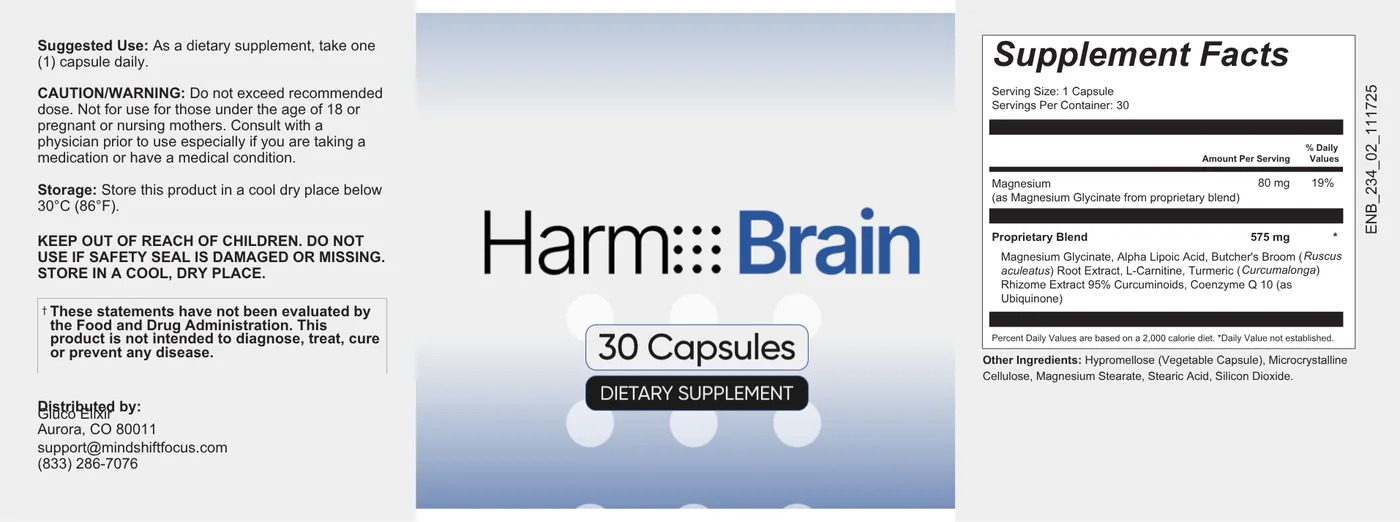
Why the caution is written generally
A label has room for a few lines of caution, and it has to cover every buyer. So it says “consult” rather than listing medicines, and leaves the matching to the reader. That is reasonable, but it only works if the reader knows which ingredient connects to which medicine.
Each of the six materials in the blend has its own published caution. None of them is unusual for its kind, and several are the same cautions you would find on a single-ingredient bottle of magnesium, lipoic acid or CoQ10. What is different about a blend is that six of them arrive in one capsule, so the questions arrive together too.
The six questions at a glance
| Ingredient | Medicine | What is known |
|---|---|---|
| Magnesium | Oral bisphosphonates; tetracycline and quinolone antibiotics | Magnesium can bind them in the gut; ODS lists these interactions. (source) |
| Alpha lipoic acid | Insulin and other glucose-lowering medicine | The Linus Pauling Institute notes a risk of low blood sugar with insulin or oral diabetes medicine; case reports also tie it to rare insulin autoimmune syndrome. (source) |
| CoQ10 | Warfarin; insulin | NCCIH: CoQ10 may interact with the blood thinner warfarin and with insulin. (source) |
| L-carnitine | Acenocoumarol and similar blood thinners | A published case report describes a stronger anticoagulant effect. (source) |
| Butcher’s broom | Blood-pressure treatment | An alpha-adrenergic, vein-constricting herb; raise it if blood pressure is treated. (source) |
| Turmeric extract | Any medicine that affects the liver | NCCIH warns that highly bioavailable curcumin formulations may harm the liver. (source) |
Each row is expanded below. Print this page or open the Supplement Facts page on your phone, and take either to the appointment; the label is what a prescriber needs to see.
Magnesium and the medicines it can bind
NIH ODS lists interactions between magnesium and oral bisphosphonates, the bone medicines, and between magnesium and tetracycline or quinolone antibiotics. In the gut, magnesium can bind these drugs and reduce how much of them is absorbed.
The question to ask: “Do I need to space this capsule away from my bisphosphonate or antibiotic, and by how long?” The answer depends on the exact medicine, which is why it belongs with the person who prescribed it.
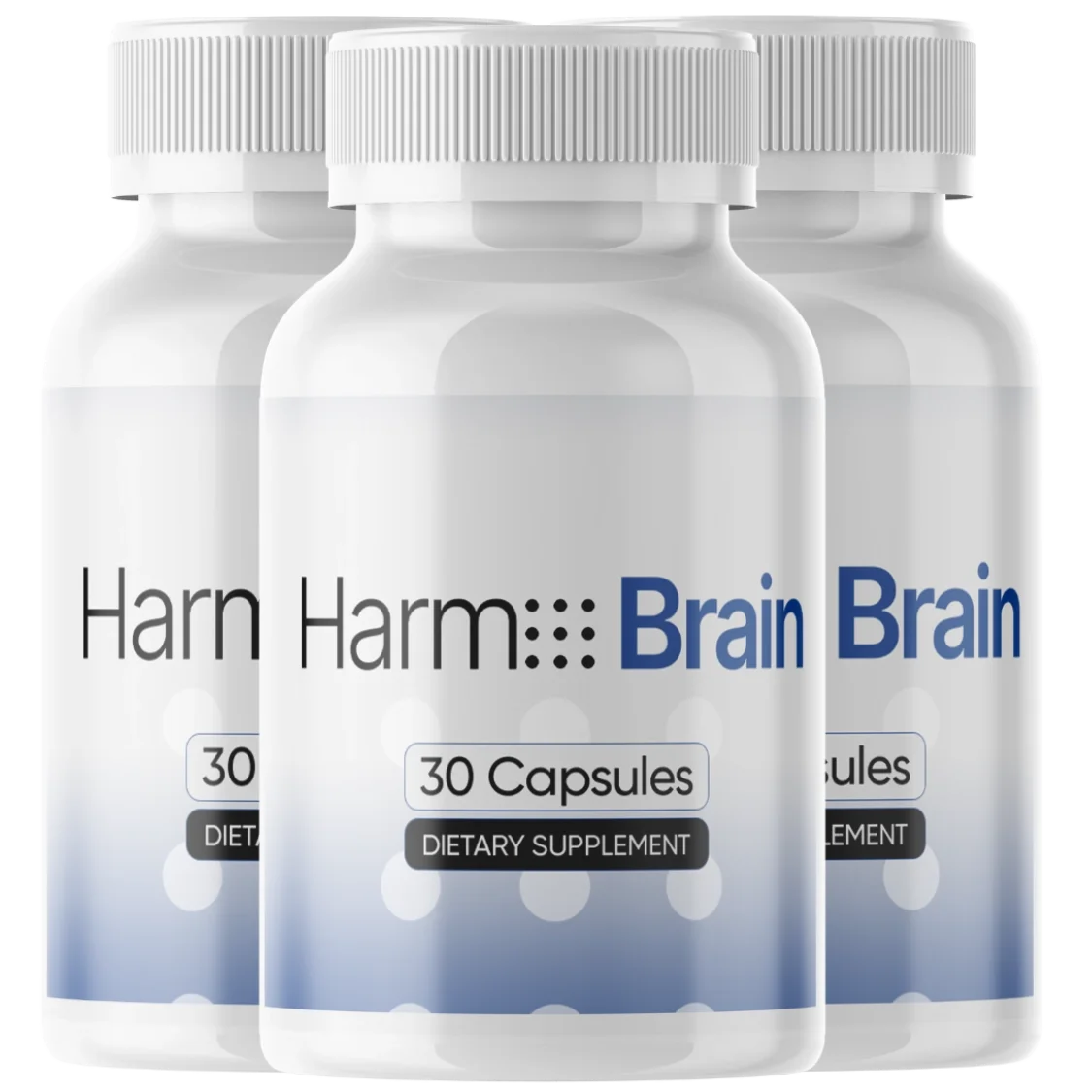
Harmo Brain, on the official website
One capsule a day, 30 to a bottle: 80 mg of magnesium as glycinate inside a 575 mg blend of six named materials. Packs of 2, 3 or 6 are priced at checkout, with 60 days from purchase to change your mind.
Order Harmo BrainAlpha lipoic acid and blood sugar
The Linus Pauling Institute notes that lipoic acid may lower blood sugar, with a risk of hypoglycaemia in people using insulin or oral diabetes medicine. It is listed second in the blend, so it is one of the larger shares after the magnesium glycinate.
The question to ask: “I take insulin or a glucose-lowering medicine. Should I monitor my sugar more closely if I start a supplement with alpha lipoic acid?”
CoQ10, L-carnitine and blood thinners
NCCIH notes that coenzyme Q10 may interact with the blood thinner warfarin, and with insulin. Separately, a published case letter describes L-carnitine strengthening the effect of acenocoumarol, another anticoagulant of the same type (Martinez 1993).
The question to ask: “I take warfarin or a similar anticoagulant. Does anything in this blend need my clotting tests checked?” Two ingredients in one capsule touch the same medicine, which makes this the question most worth asking.
Butcher’s broom and blood pressure
Butcher’s broom acts on alpha-adrenergic receptors in the vein wall. That property is why it was proposed as a possible treatment for low blood pressure on standing (Redman 2000), and it is why anyone already treated for blood pressure should mention it.
The question to ask: “I am on blood-pressure treatment. Is a vein-constricting herb a concern for me?” The companion article on butcher’s broom in a brain capsule covers the herb in full.
Turmeric extract and the liver
NCCIH warns that highly bioavailable curcumin formulations, the kind made to be absorbed better, may harm the liver. The Harmo Brain label lists a turmeric rhizome extract standardised to 95% curcuminoids.
The label names a 95% curcuminoid extract without saying whether it is a high-absorption formulation, so the caution is worth raising either way.
The question to ask: “I have a liver condition, or take a medicine that affects the liver. Is a curcumin extract appropriate for me?”
Supplements you already take
Medicines are only half the list. NIH ODS notes that magnesium is present in some medicines as well as supplements, antacids and laxatives among them, and a multivitamin often carries some too. All of it counts towards the 350 mg a day adult upper limit for magnesium from supplements and medicines.
The same logic applies to anything else you take that acts on blood sugar, clotting or blood pressure. Write the whole list down, supplements included, before the conversation rather than during it. Include doses and the time of day you take each one; timing is often the whole answer.
Before surgery or a new prescription
Supplements are easy to forget when a new prescription is written or an operation is planned, because they do not appear on a prescription record. Tell the surgical team and every new prescriber that you take a capsule containing magnesium, alpha lipoic acid, butcher’s broom, L-carnitine, turmeric extract and CoQ10.
Two of those ingredients touch blood thinners and one touches blood pressure, which is exactly the kind of detail a team planning an operation wants to hear. Bring the label, and let them decide whether to pause it.
If something unexpected happens
- Stop taking the capsule and keep the bottle.
- Contact the clinician who manages your medicines, and show them the label.
- Note what happened and when, alongside the date you started.
- For a refund within 60 days of purchase, call order support on +1 (302) 200-3480 with the order ID; order support handles the order, not the symptom.
Building the capsule around your medicines
If a prescriber asks you to keep the capsule apart from a medicine, the easiest way to manage it is to give each a fixed anchor. A medicine taken on waking and a capsule taken with lunch, for example, stay apart without anyone having to watch the clock.
Write the arrangement down for the first couple of weeks, and keep the note with the bottle. It makes the next appointment easier too, because you can show exactly what you took and when.
How to have the conversation
- Take the label: the bottle, a photo of the panel, or the Supplement Facts page.
- List every medicine and supplement you take, including over-the-counter ones and anything containing magnesium.
- Ask the questions above that apply to you, and ask about timing.
- Start only once you have an answer, and tell every prescriber you see afterwards.
- Stop and ask again if anything unexpected happens.
The side effects and safety page and the who it is for page hold the same information in reference form. Order support on +1 (302) 200-3480 handles orders and refunds, not medical questions.
A note on what this is. Harmo Brain is a dietary supplement, not a medicine. Nothing in this article describes it as a treatment for dementia, Alzheimer’s disease, mild cognitive impairment or any other condition, and no vitamin or supplement is recommended for preventing cognitive decline. A change in memory or thinking that worries you is a reason to be assessed by a clinician, not a reason to start a capsule.
Sources cited in this article
- NIH Office of Dietary Supplements. Magnesium: Fact Sheet for Health Professionals. Updated January 6, 2026. ods.od.nih.gov
- Linus Pauling Institute, Oregon State University. Lipoic Acid. Micronutrient Information Center. lpi.oregonstate.edu
- Redman DA. Ruscus aculeatus (butcher's broom) as a potential treatment for orthostatic hypotension, with a case report. J Altern Complement Med. 2000;6(6):539-49. PMID 11152059. pubmed.ncbi.nlm.nih.gov
- Martinez E, Domingo P, Roca-Cusachs A. Potentiation of acenocoumarol action by L-carnitine. J Intern Med. 1993;233(1):94. PMID 8429297. pubmed.ncbi.nlm.nih.gov
- National Center for Complementary and Integrative Health. Turmeric: Usefulness and Safety. www.nccih.nih.gov
- National Center for Complementary and Integrative Health. Coenzyme Q10. www.nccih.nih.gov
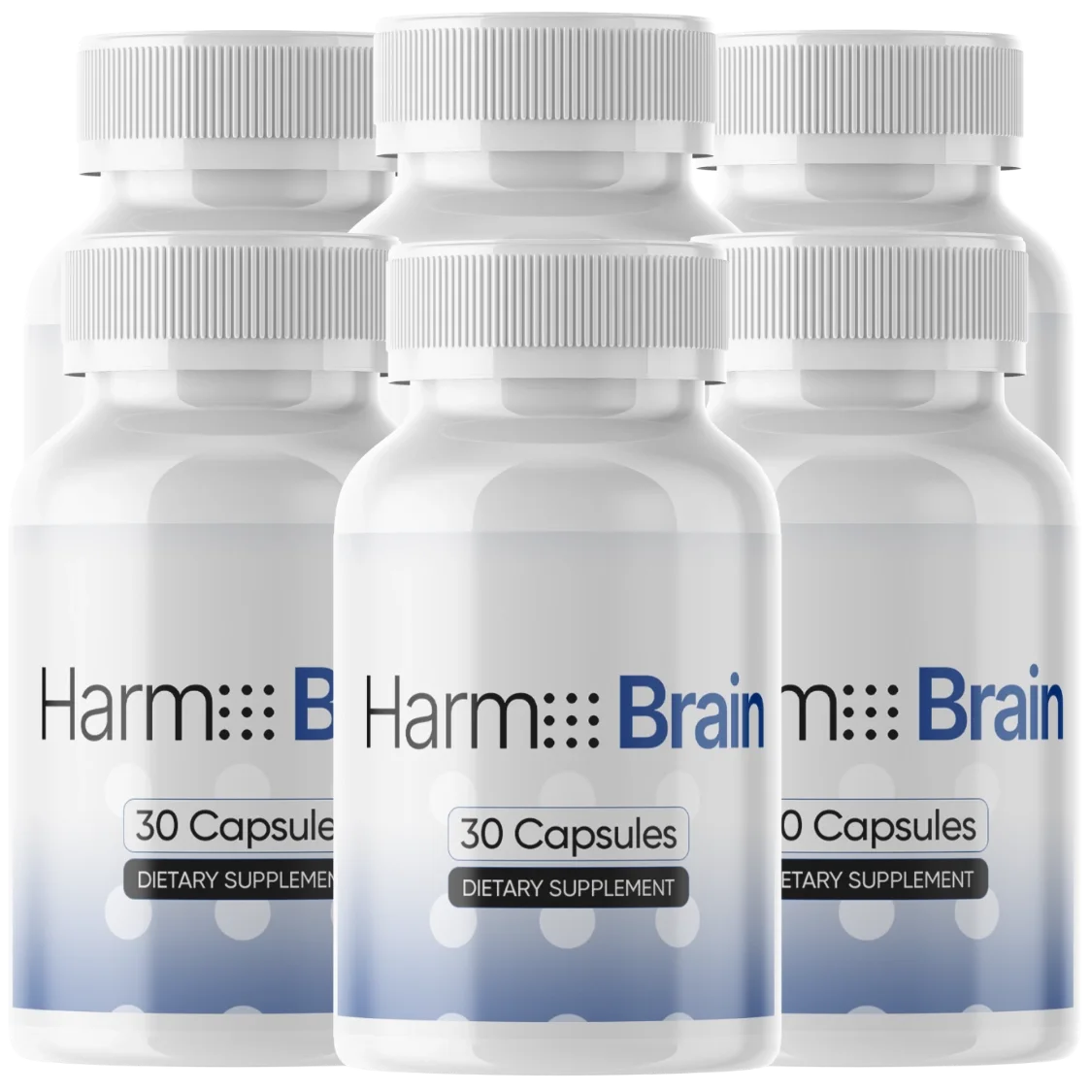
Order Harmo Brain on the official website
One capsule a day, 30 to a bottle: 80 mg of magnesium as glycinate inside a 575 mg blend of six named materials. Packs of 2, 3 or 6 are priced at checkout, with 60 days from purchase to change your mind.
Packs of 2, 3 or 6 bottles, priced at checkout · 60 days from purchase to change your mind
One capsule a day · 30 per bottle · lot HAR-26/HA-4569