Choosing A Focus Supplement: Ten Questions To Ask Any Bottle
Choose a focus supplement by asking ten questions of the bottle before the brand: does the label print amounts, is the key dose inside a blend, which form is used, what did research use, who is excluded, which medicines matter, how long is a fair trial, how long is the guarantee, who sells it and how do you reach them.
Below: the ten questions, Harmo Brain scored on the same ten, and six red flags.
The questions work on any bottle. Ask them in this order.
Ten questions to ask any focus supplement
The first four are about the label, the next two about you, the last four about the seller.
1. Does the label print amounts?
An ingredient with its own amount can be compared with research. One without can only be named.
2. Is the key dose inside a blend?
A blend gives a total and an order by weight. Check which parts are declared separately.
3. Which form of each ingredient?
Acetyl-L-carnitine is not L-carnitine; ordinary curcumin is not a high-absorption curcumin.
4. What did the research use?
Dose, form, route, duration and population. A trial in a diagnosed group, like the acetyl-L-carnitine trials in mild cognitive impairment, says little about a healthy reader.
5. Who does the label exclude?
Age limits, pregnancy and nursing, and any condition the caution names.
6. Which medicines matter?
Blood thinners, diabetes medicine, blood-pressure treatment and some antibiotics are the usual ones to check.
7. How long is a fair trial?
Weeks, not days. Find out when buyers report a change and plan around it.
8. How long is the guarantee?
Set the window against the trial. A guarantee shorter than the trial is a guarantee you cannot use.
9. Who sells it?
A named seller, an office and a returns address you can write to.
10. How do you reach them?
A phone line for order support, an email that is answered, and a clear line on which does what.
Harmo Brain scored against the ten questions
The same ten questions, applied to the product this desk sells.
| 1. Amounts printed | Two: magnesium 80 mg and the 575 mg blend total |
|---|---|
| 2. Key dose in a blend | Magnesium declared; the other five share the blend |
| 3. Forms | Named precisely: glycinate, ubiquinone, 95% curcuminoids, root extract |
| 4. Matches research | Magnesium can be compared with NIH figures; the other five cannot be sized |
| 5. Exclusions | Clear: under 18, pregnant or nursing |
| 6. Medicines | Caution printed; the ingredient-level list is on the safety page |
| 7. Trial length | Most buyers report a change at 3 to 6 weeks; packs run 60 to 180 days |
| 8. Guarantee | 60 days from purchase, claimed by phone |
| 9. Seller | Harmobraines, New York office and a separate returns address |
| 10. Contact | A phone line and two email addresses with defined jobs |
| Overall | Strong on the seller, the guarantee, the forms and the exclusions; limited on dose disclosure for five of the six materials. |
Magnesium glycinate is about 14.1% magnesium by weight, so 80 mg of magnesium takes about 568 mg of the compound. If the glycinate is the fully reacted form, that leaves about 7 mg of the 575 mg blend for alpha lipoic acid, butcher’s broom, L-carnitine, turmeric extract and CoQ10 together. A buffered grade carries more magnesium per milligram and would leave more room; the label does not say which grade is used, and no other amount is printed.
That arithmetic is the reason this desk publishes the magnesium comparison in full and makes no dose claim for the other five materials. The advertising names seven ingredients; the panel lists six, because magnesium and magnesium glycinate are one material named twice.
Separate the artwork’s words from the label’s
Two kinds of words sit on and around every supplement.
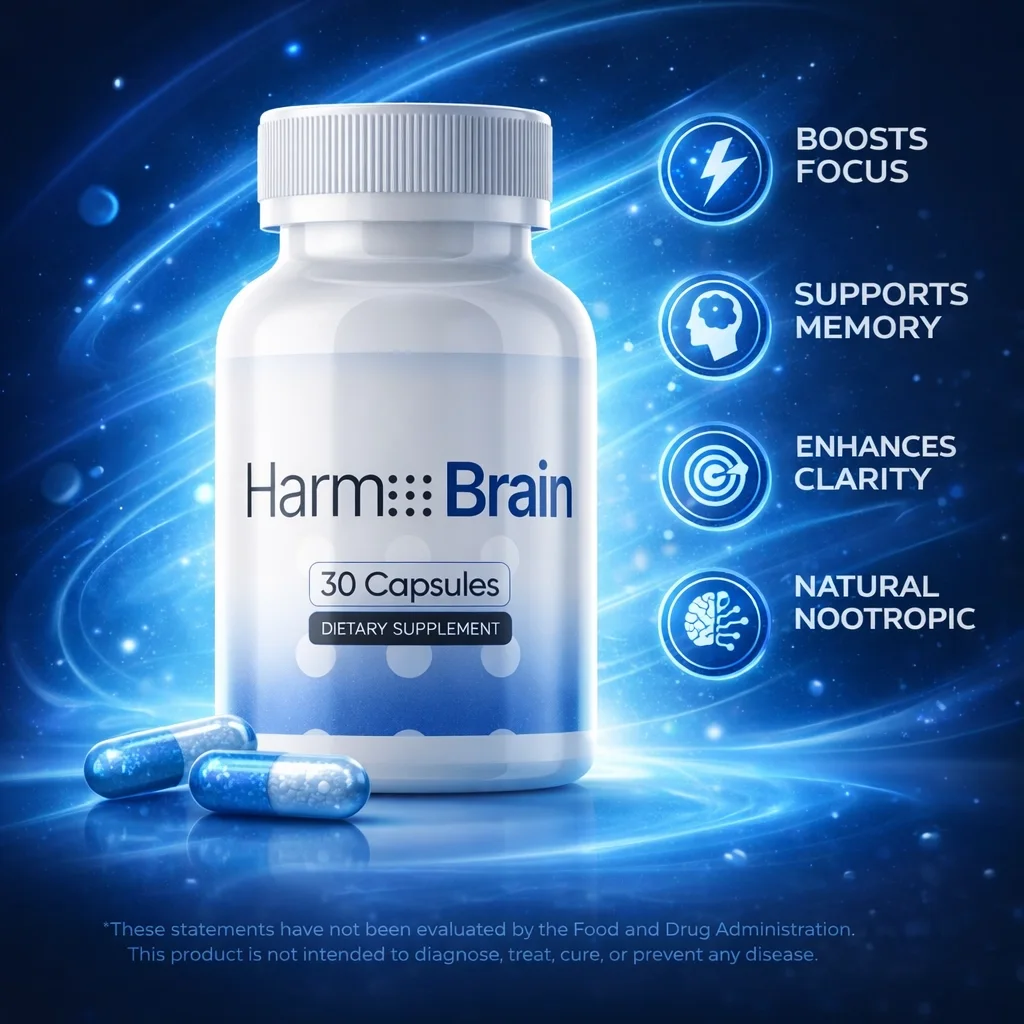
Two kinds of words
A supplement bottle carries the regulated label, and the product is sold with marketing artwork. The label has to follow the federal format; the artwork is where the bolder verbs tend to live.
What a structure and function claim is
Words like focus and memory describe support for normal function. The FDA rules on structure/function claims allow them alongside the statement that the FDA has not evaluated them. A claim to treat, cure or prevent a disease is a different thing, and a supplement may not make it.
How to read it
Translate every artwork verb into ‘made to support’ and see whether the product still interests you. For Harmo Brain, this desk writes ‘made to support focus, memory and mental clarity’, and it does not use the word nootropic.
A fair trial, in four numbers
The numbers that decide whether a trial is fair.
Match the pack to the trial you intend to run
The pack decides how long your test can run.
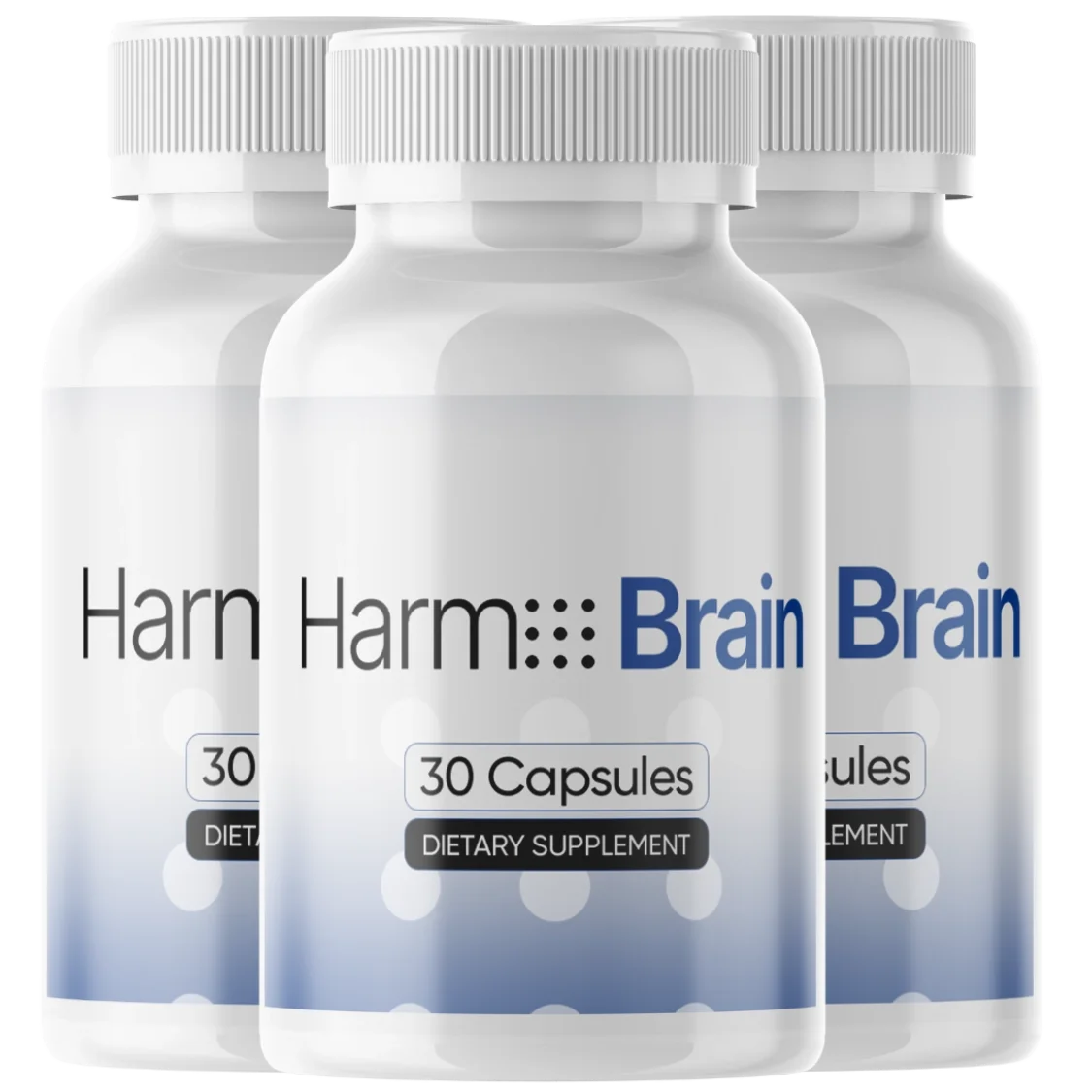
Line the three dates up
When most buyers report a change, when the guarantee ends, and when the pack runs out. For a once-daily capsule the three should fit together.
Why ninety days is the common choice
Three bottles pass the three-to-six-week point with a month to spare, so the routine can settle before the decision. Two bottles end exactly when the guarantee does, which suits a buyer who wants the whole window and nothing more.
| Pack | Lasts | Covers weeks 3 to 6 | Against the 60-day window |
|---|---|---|---|
| 2 bottles | 60 days | Yes | Ends on the same day |
| 3 bottles | 90 days | Yes, with a month spare | Runs past it |
| 6 bottles | 180 days | Yes | Runs well past it |
Build the capsule into a routine you already keep
A supplement taken on some days has not been tested.
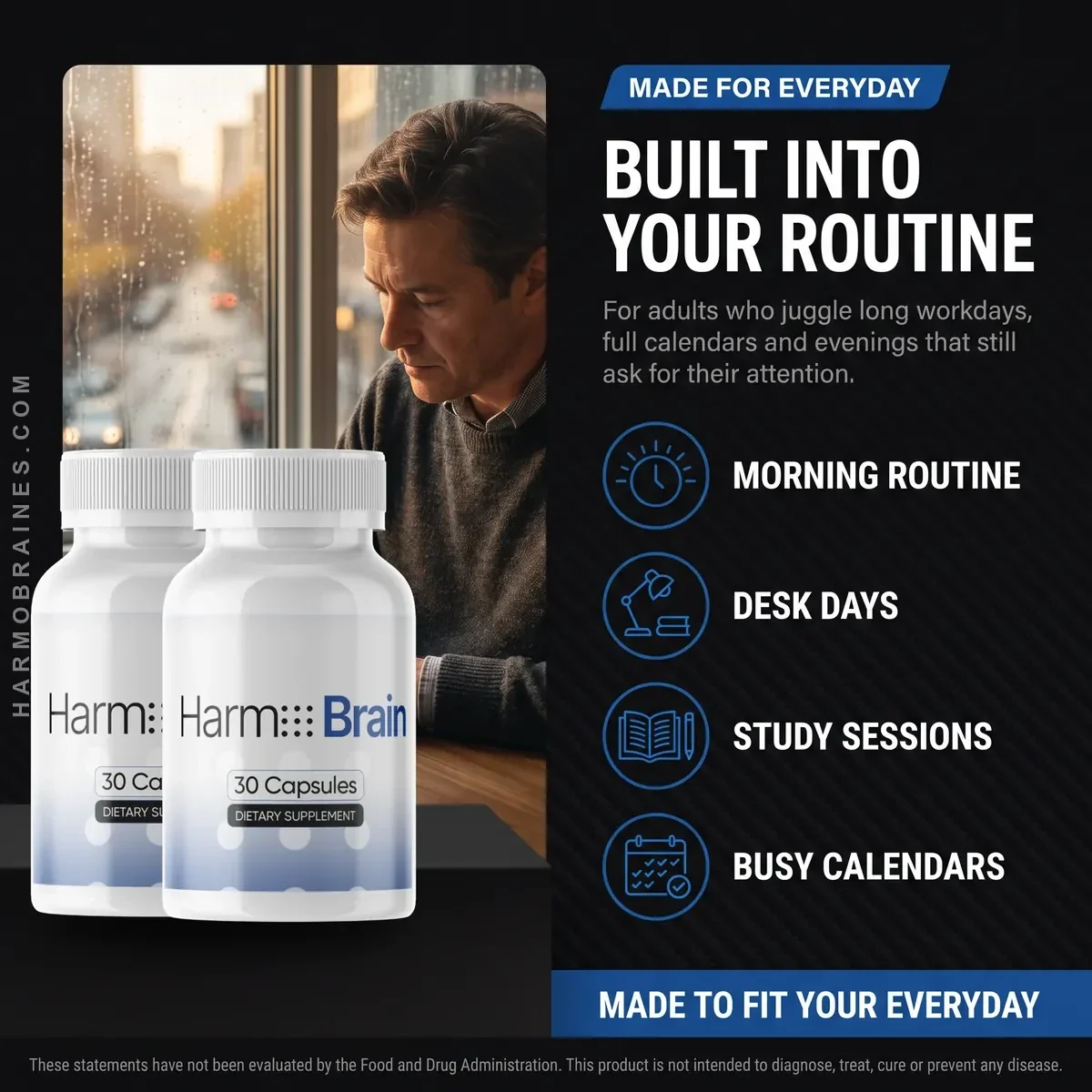
Pick the anchor
A once-daily capsule is easiest to keep when it is tied to something that already happens every day: breakfast, the first coffee, the moment the laptop opens.
Keep a line a day
Sleep, how the morning went, when focus held and when it faded. By weeks four to six you have something to compare with week one, instead of a memory.
Keep the foundations
The National Institute on Aging recommends no vitamin or supplement for preventing cognitive decline, and puts blood pressure, activity, sleep and social connection first. A capsule is an addition to those, not a replacement.
Six red flags on any focus supplement
Any one of these is a reason to put the bottle back.
A promise to treat memory loss
A supplement may not claim to treat, cure or prevent a disease. A label or page that does is making a drug claim.
Clinically proven, with no trial
Ask which trial, of which product. Research on one ingredient is not a trial of the finished capsule.
No Supplement Facts panel shown
A seller who will not show the panel before you buy is asking you to buy the artwork.
No named seller
No company name, no address, no returns route: nobody to hold to the guarantee.
A guarantee with no route
A money-back promise needs a way to claim it: a phone number, an order ID and an address.
No caution at all
Every label in this category should say who should not take it. As NCCIH puts it, ‘natural’ does not always mean ‘safe’.
Three kinds of label, compared
Where a label sits on this scale decides how much of it you can check.
| Label type | What you know | What you can compare |
|---|---|---|
| Fully disclosed | Every ingredient with its own amount | Each amount against published research |
| Blend with a declared key amount (the Harmo Brain type) | The blend total, the order by weight, and one declared amount | The declared amount, plus arithmetic on the rest |
| Name list only | Ingredient names, sometimes not even a total | Very little; the names alone |
The middle type is common in this category. It rewards a buyer who does the arithmetic.
Questions about choosing a focus supplement
Which of the ten questions matters most?
Question 6, if you take any medicine. Otherwise question 1: an amount on the label is the only thing you can check against research.
How long should I try a focus supplement before deciding?
Long enough to pass the point where buyers report a change, which for this product is three to six weeks, and short enough to stay inside the guarantee.
Is a doctor-formulated seal a good sign?
Only if it names someone. A doctor formulated roundel that names no one is artwork, not a credential.
Who writes this guide
Four commitments a careful reader can check in ten minutes:
- The bottle is the source. The ingredient names, the two printed amounts, the capsule count, the directions and the caution come from the Harmo Brain label and the supplier’s artwork, read on 22 September 2026.
- Research amounts live in a column of their own, headed “What studies used”, beside the column that says what the label prints. No sentence moves a number from one to the other.
- Sources are cited against their own population. Where a trial was run in people with a diagnosis, the sentence says so.
- Corrections change the date. Write to [email protected] and the review date moves forward.
We earn when you buy. Harmobraines is the USA Authorized Harmo Brain Retailer and this website makes money on orders placed through it. That is why the blend arithmetic, the four-star reviews and the medicine list are printed here in full. Order support on +1 (302) 200-3480 handles tracking, changes and refunds; orders go through the checkout only.
Sources cited in this guide
- NIH Office of Dietary Supplements. Magnesium: Fact Sheet for Health Professionals. Updated January 6, 2026. ods.od.nih.gov
- Montgomery SA, Thal LJ, Amrein R. Meta-analysis of double blind randomized controlled clinical trials of acetyl-L-carnitine versus placebo in the treatment of mild cognitive impairment and mild Alzheimer's disease. Int Clin Psychopharmacol. 2003;18(2):61-71. PMID 12598816. pubmed.ncbi.nlm.nih.gov
- National Institute on Aging. Cognitive Health and Older Adults. www.nia.nih.gov
- National Center for Complementary and Integrative Health. Using Dietary Supplements Wisely. www.nccih.nih.gov
- U.S. Food and Drug Administration. Structure/Function Claims. www.fda.gov
Order Harmo Brain on the official website
One capsule a day, 30 to a bottle: 80 mg of magnesium as glycinate inside a 575 mg blend of six named materials. Packs of 2, 3 or 6 are priced at checkout, with 60 days from purchase to change your mind.
Packs of 2, 3 or 6 bottles, priced at checkout · 60 days from purchase to change your mind
One capsule a day · 30 per bottle · lot HAR-26/HA-4569